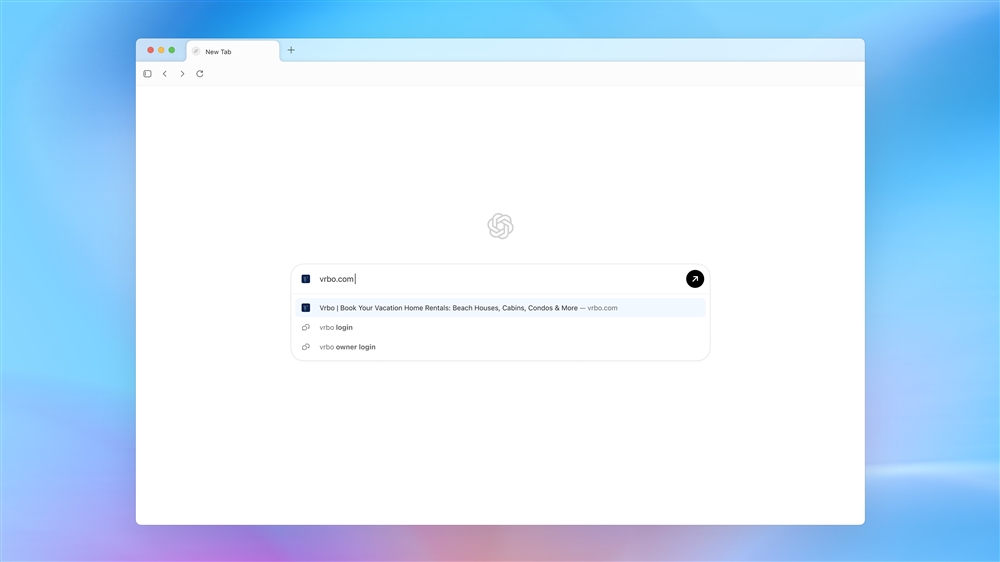
OpenAI has released Atlas, an artificial intelligence-powered web browser that embeds ChatGPT directly into the browsing experience. The launch puts OpenAI in direct competition with Google Chrome and Microsoft Edge as more users turn to AI tools to find information online. Atlas is now available globally on macOS for Free, Plus, Pro, and Go users, with Business access in beta and Enterprise and Edu versions subject to administrator approval. Windows, iOS, and Android versions are planned for release at a later date.
The browser takes a chat-first approach that places AI-generated responses at the center of the new tab experience. Instead of relying on a traditional address bar and search engine results, Atlas uses ChatGPT to synthesize answers from across the web and presents them alongside organized tabs for links, images, videos, and news. This design shift reflects OpenAI’s strategy to make ChatGPT the starting point for web browsing and information discovery.
Atlas introduces an optional agent mode feature available in preview for Plus, Pro, and Business subscribers. Agent mode allows ChatGPT to perform tasks on behalf of users by opening tabs, clicking through pages, filling forms, and completing multistep workflows. The system requests permission before taking action on sensitive sites such as financial institutions. OpenAI has implemented safety restrictions that prevent the agent from executing code in the browser, downloading files, or installing extensions. Early testing by technology reviewers indicates that while agent mode shows promise, it still requires user supervision and may struggle with complex tasks.
The browser also offers browser memories, an optional feature that enables ChatGPT to remember key details from visited websites to provide personalized assistance. Users maintain full control over these memories and can view, archive, or delete them at any time through the settings menu. A per-site toggle allows users to prevent ChatGPT from accessing specific pages. By default, OpenAI states that browsing content is not used to train its models unless users explicitly opt in. Clearing browsing history automatically deletes associated browser memories. Privacy experts note that while these controls provide transparency, the collection of browsing data and agent actions introduce new risks if settings are misconfigured.
Atlas enters a competitive market dominated by Chrome, which has approximately three billion users worldwide and is rapidly adding AI features powered by Google Gemini. Microsoft Edge also integrates AI assistance tools, presenting adoption challenges for Atlas among mainstream and enterprise users who may prefer to wait for AI capabilities in their existing browsers. The launch occurs amid ongoing antitrust scrutiny of Google’s search business, where a federal court recently declined to order the sale of Chrome but acknowledged that AI developments are reshaping competitive dynamics in the browser and search markets.