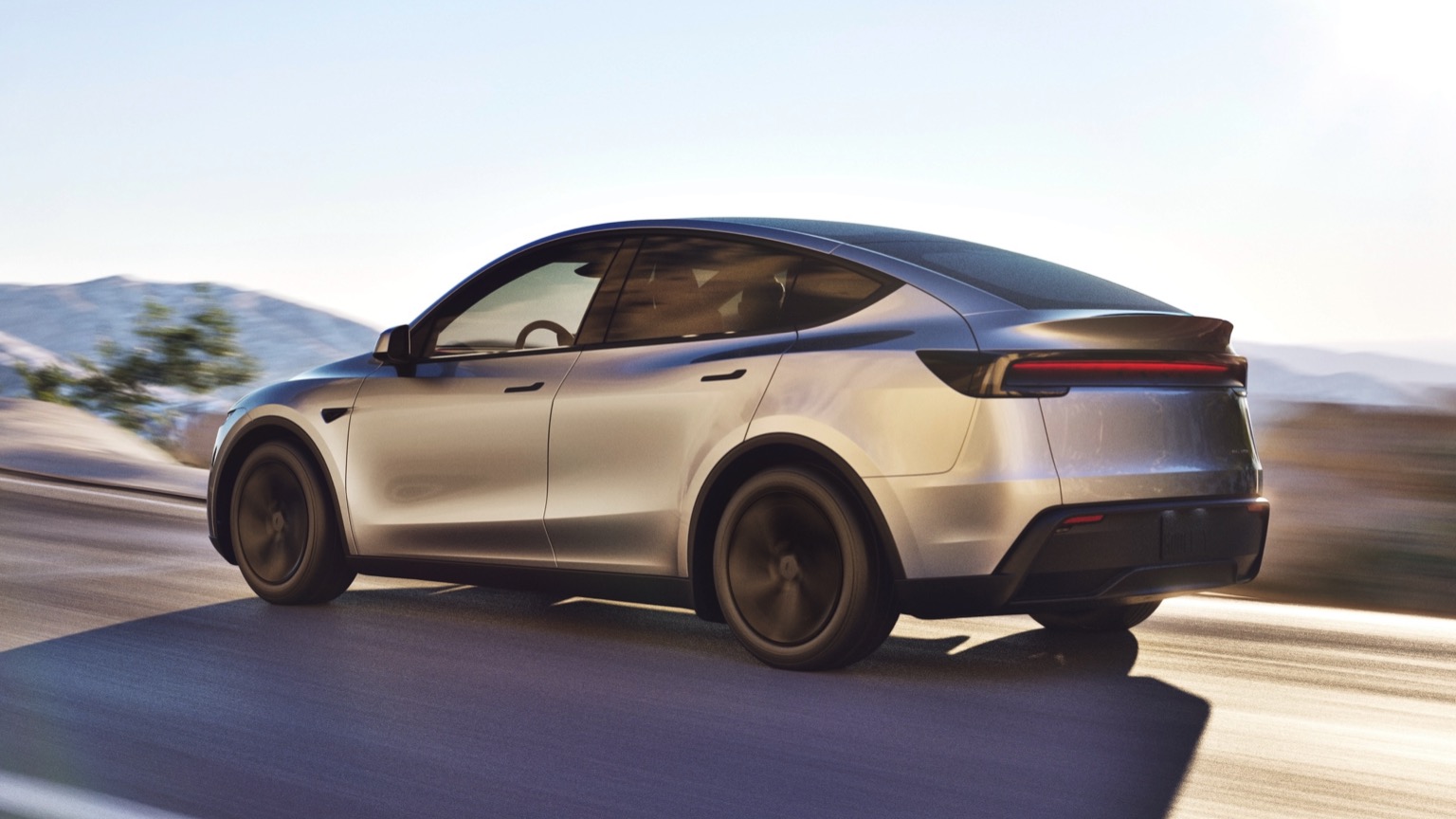
Tesla has initiated a voluntary safety recall for 12,963 of its popular Model 3 and Model Y electric vehicles due to a manufacturing defect that could cause a sudden and unexpected loss of driving power.
The formal recall was filed with the U.S. National Highway Traffic Safety Administration (NHTSA) under campaign number 25V690. The issue stems from a faulty battery component that could fail while the vehicle is in motion, potentially increasing the risk of a collision. The electric vehicle manufacturer has stated that it is not aware of any accidents, injuries, or fatalities related to this specific condition. The company’s investigation into the matter began in August 2025 after its Field Reliability team identified a pattern of service records showing high electrical resistance in a key battery component. After a thorough analysis, Tesla made the determination to issue the recall on October 3, 2025, having identified the scope of affected vehicles.
The recall specifically targets certain Model 3 and Model Y vehicles from recent model years. The affected population includes 5,038 units of the 2025 Model 3, produced between March 8, 2025, and August 12, 2025. Additionally, 7,925 units of the 2026 Model Y, manufactured from March 15, 2025, to August 15, 2025, are part of the recall.
Although nearly 13,000 vehicles are included in the campaign to ensure all potentially affected cars are inspected, Tesla estimates that only about one percent of them actually contain the defective part. The company confirmed that the last of the suspect components were used in production on August 15, 2025, and that newly manufactured vehicles are not impacted by this particular issue.
The technical root of the problem lies within the vehicle’s high-voltage battery system, specifically with the pack contactor, which functions as a critical switch for managing power flow. In the affected vehicles, this component was manufactured with a solenoid from a supplier named InTiCa that features a poor coil termination connection. This weakness in the connection can cause the contactor to open abruptly and without any prior warning to the driver. When this failure occurs while the car is in drive, the electrical circuit that delivers power to the motor is interrupted. This results in an immediate loss of propulsion, meaning the driver can no longer accelerate the vehicle using the pedal.
In the event of such a failure, the vehicle is designed to immediately display a visual alert on the driver’s interface, instructing them to safely pull over to the side of the road. While there is no advance warning before the power loss occurs, the immediate notification is intended to help the driver manage the situation safely.
As of early October 2025, Tesla had identified 36 warranty claims and 26 field reports that appear to be related to this condition, which prompted the broader investigation and subsequent recall action to prevent potential safety incidents on the road.
To resolve the issue, Tesla will replace the affected battery pack contactors at no cost to vehicle owners. The replacement part is a certified contactor that does not utilize the InTiCa solenoid and is designed to maintain a secure coil termination connection, permanently fixing the defect. The service procedure to perform the replacement is estimated to take approximately one hour.
Owners of potentially affected vehicles can verify if their car is included in the recall by entering their Vehicle Identification Number (VIN) on either the official Tesla website’s recall search page or the NHTSA’s recall portal. To schedule the free repair, owners are instructed to use the Tesla mobile application, navigate to the service request section, and enter the note “Open Recall Repair – Battery Pack Contactors” to ensure the service is correctly categorized. Tesla service centers were notified of the recall around October 15, 2025, and official notification letters are scheduled to be mailed to affected owners by December 9, 2025.