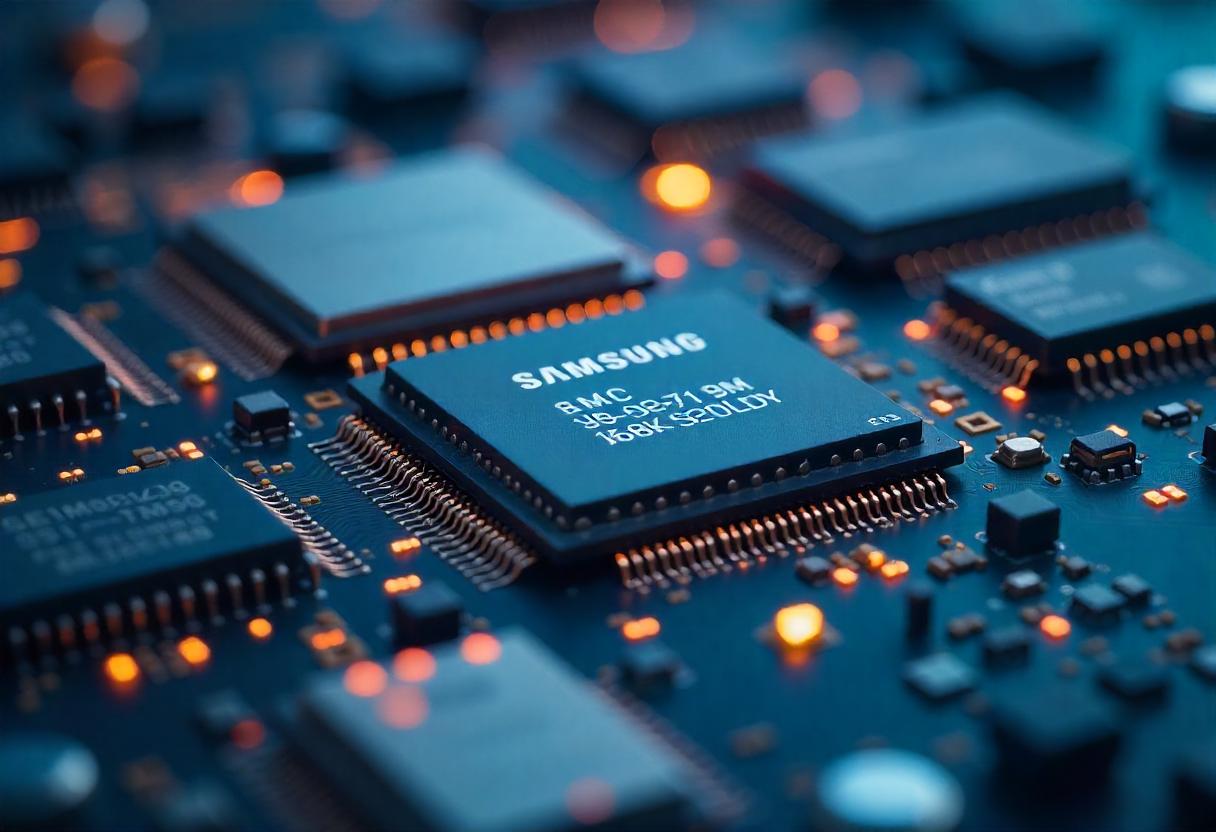
Samsung Electronics has increased prices for certain memory chips by up to 60 percent in November compared to September, according to industry sources familiar with the pricing changes. The South Korean electronics giant delayed its typical October pricing announcement before implementing the steep increases.
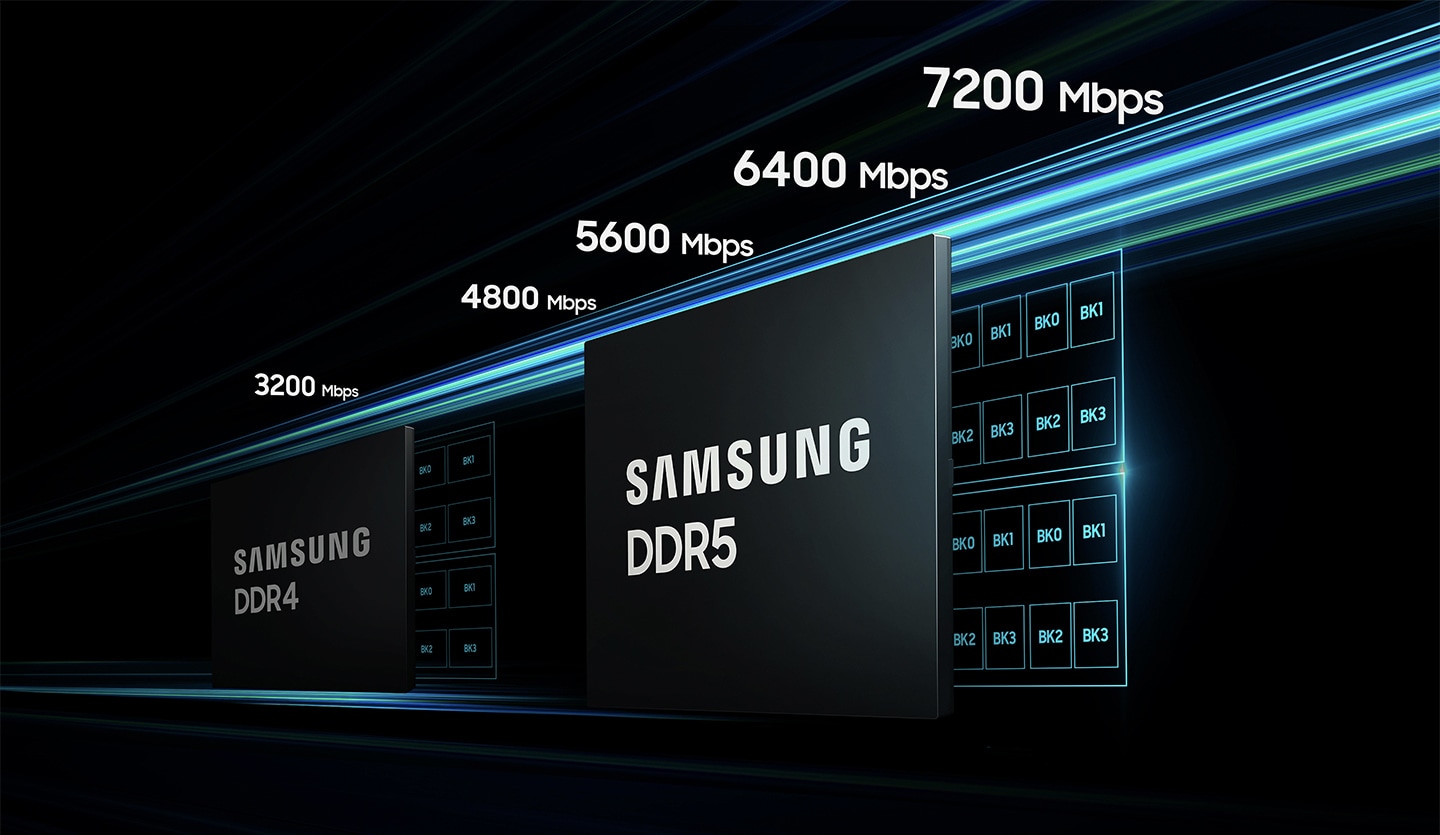
The price hikes affect DDR5 memory modules used in servers, data centers, computers and smartphones. Contract prices for 32 gigabyte DDR5 modules jumped to $239 in November from $149 in September. Samsung also raised prices for 16GB DDR5 modules by approximately 50 percent to $135, while 128GB DDR5 modules increased to $1,194. Smaller increases of over 30 percent affected 64GB and 96GB DDR5 products.
The shortage stems from intense demand as companies race to build artificial intelligence data centers. Server manufacturers and data center operators are accepting reduced product allocations while paying significant price premiums. Industry distributors report that buyers now understand they cannot secure sufficient supply at any price point.
Samsung’s pricing power has grown as the company maintains stronger inventory positions than competitors like SK Hynix and Micron. While Samsung lagged behind rivals in developing advanced AI chips, its conventional memory production has positioned the firm to capitalize on current market conditions. Analysts project Samsung will achieve 40 to 50 percent quarterly price increases for the October through December period, exceeding the 30 percent industry average.
The shortage has triggered panic buying among some customers. China’s SMIC reported that memory shortages are causing customers to delay orders for other chip types. Xiaomi warned that rising memory costs are increasing smartphone manufacturing expenses.
The price surge benefits Samsung after periods of weaker profit growth compared to competitors. However, the increases threaten to raise costs across multiple product categories. Consumer electronics including personal computers and gaming systems may see higher prices as manufacturers pass costs to end users. Long-term supply contracts being negotiated now could lock in elevated prices through 2026 and 2027.
Other memory manufacturers may follow Samsung’s pricing strategy given tight market conditions. Both DDR5 and older DDR4 products could experience price increases as producers respond to supply constraints and strong demand from the AI sector.