The global smartphone market is heading into its worst year on record. A severe shortage of memory chips, driven by the rapid expansion of artificial intelligence infrastructure, is pushing device prices to all-time highs and threatening to wipe out entire segments of the market.
The International Data Corporation (IDC) projects smartphone shipments will fall 12.9% in 2026 to 1.12 billion units, the lowest level in more than a decade. At the same time, the average selling price of a smartphone is expected to climb 14% to a record $523. Phones priced below $100, a segment that previously accounted for 171 million devices annually, are expected to become permanently unviable even after the crisis eases.
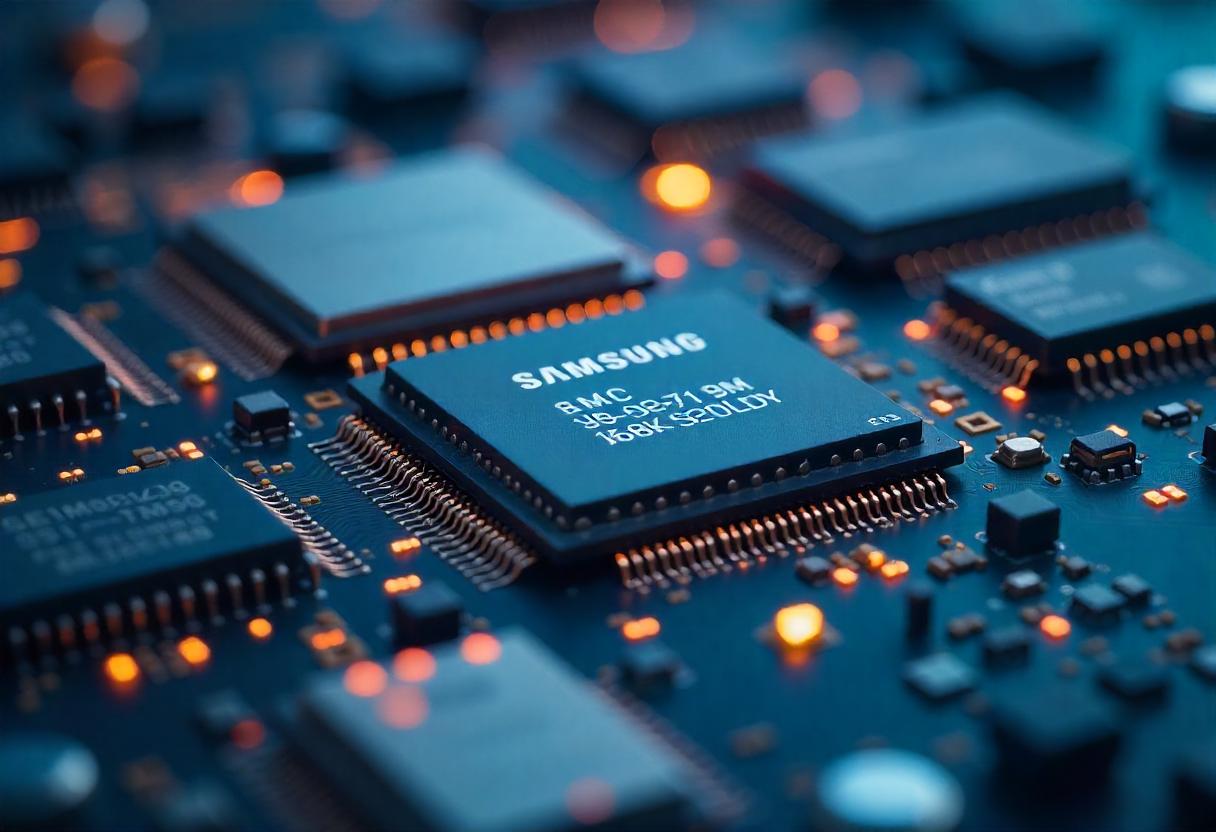
The root cause lies in the AI boom. Technology companies including Meta, Google, and Microsoft have aggressively scaled up data center construction, consuming vast quantities of memory chips in the process. The world’s largest memory chip manufacturers — SK Hynix, Samsung, and Micron — have redirected production capacity toward high-bandwidth memory chips designed for AI servers, leaving mobile DRAM in critically short supply. Prices for both DRAM and HBM chips nearly doubled in the first quarter of 2026 compared to the previous quarter.
The consequences for smartphone manufacturers have been immediate. Apple recently held emergency negotiations with Samsung’s semiconductor division to secure LPDDR5X memory for ongoing iPhone 17 production. The 12GB modules used in the iPhone Air and iPhone 17 Pro have risen from approximately $30 to $70 since early 2025. Samsung initially planned to push for a 60% price increase but opened negotiations at a 100% markup, which Apple accepted without counter-offer.
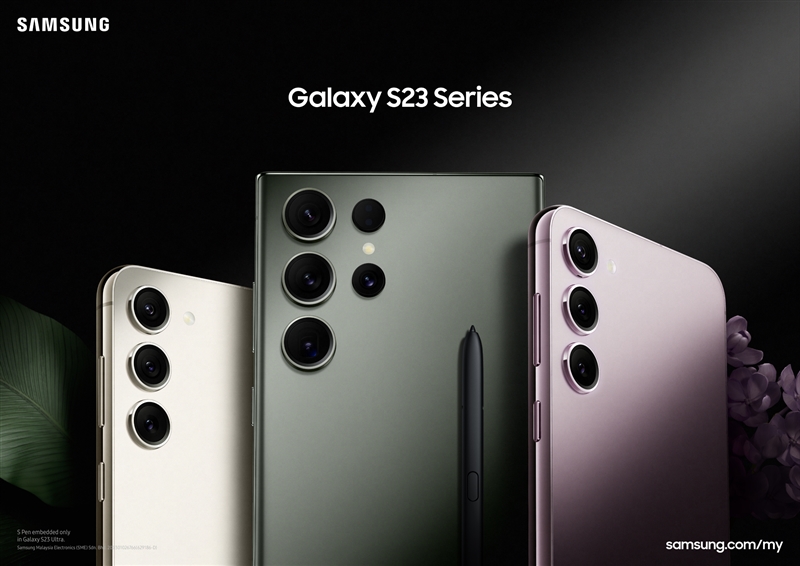
Samsung’s own mobile division is equally exposed. Early Galaxy S26 production is sourcing memory in equal parts from Samsung’s chip division and Micron, with further price increases expected after initial supply runs out. Samsung is expected to raise Galaxy S26 retail prices in response, while also shifting approximately 30% of units to its in-house Exynos 2600 processor to manage costs.
Smaller Android manufacturers face the greatest threat. Unlike Apple and Samsung, which carry strong balance sheets and operate primarily in the premium segment, budget-focused brands have little room to absorb rising component costs or pass them on to price-sensitive consumers. The IDC expects many of these smaller vendors to exit the market entirely, accelerating consolidation toward the industry’s largest players.
The recovery will be slow. Memory prices are not expected to stabilize until mid-2027. The IDC forecasts a modest 2% market recovery in 2027, followed by a 5.2% rebound in 2028, though it does not expect the market to return to its previous structure. The sub-$100 smartphone segment is considered a permanent casualty. What is unfolding is less a temporary supply disruption and more a fundamental restructuring of how smartphones are made, priced, and sold.