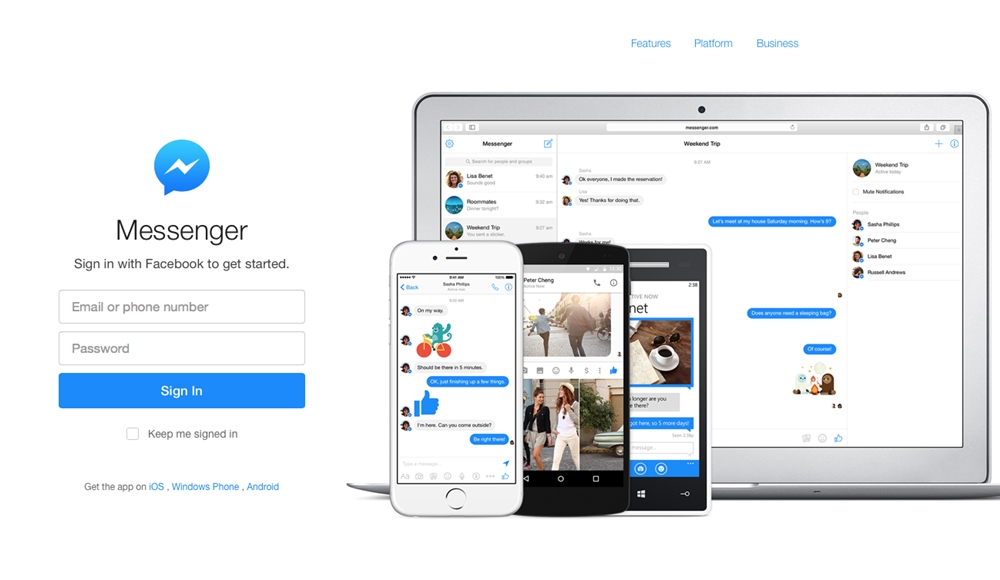
Meta is shutting down messenger.com, its standalone Messenger website, starting April 2026. Users who rely on the platform for web-based messaging will no longer be able to access it through the dedicated website address.
Once the shutdown takes effect, visitors to messenger.com will be automatically redirected to facebook.com/messages. Messaging on the web will only remain available to users who are logged into an active Facebook account.
Users who access Messenger without a Facebook account will lose all web-based access. Their only remaining option to continue conversations will be the Messenger mobile app, available on iOS and Android devices.
This move follows Meta’s decision to discontinue the standalone Messenger desktop apps for Windows and Mac in December 2025. The April 2026 closure of messenger.com extends that consolidation, leaving no independent Messenger platform accessible outside of the Facebook ecosystem on desktop or web.
The decision allows Meta to reduce the number of platforms it needs to maintain and support. Concentrating Messenger activity onto the main Facebook website lowers operational costs for the company.
Users can restore their chat history on any remaining platform using the PIN they set when first creating a backup on Messenger. Those who cannot remember their PIN have the option to reset it.
Meta has been notifying users of the change through a pop-up message displayed on the Messenger website and app. The announcement has drawn widespread frustration on social media, particularly among users who had deactivated their Facebook accounts and were using Messenger as an independent service.
Messenger first launched as Facebook Chat in 2008. Meta introduced it as a standalone app in 2011 and in 2014 removed messaging from the main Facebook mobile app to push users toward the Messenger app. In 2023, Meta reversed that decision and began reintegrating Messenger back into the Facebook app. The shutdown of messenger.com is the latest step in that ongoing consolidation of its messaging services.