OPPO ColorOS 16 Rollout Begins October 30 for 43 Devices
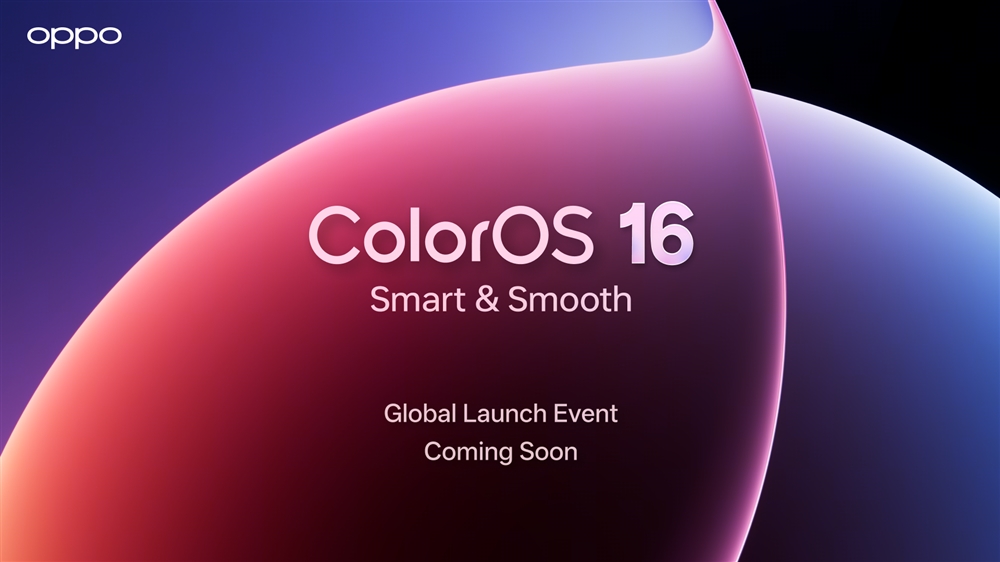
OPPO has officially unveiled ColorOS 16, the latest iteration of its Android-based operating system, which will debut on the upcoming Find X9 series smartphones. The Chinese technology company confirmed that the public rollout will commence on October 30, 2025, beginning in China with plans to expand globally at a later date.
The update will reach 43 OPPO smartphones and tablets over a staggered timeline extending into the first quarter of 2026. The rollout schedule prioritizes flagship devices, with the Find N5 and Find N5 Satellite Communication Edition receiving the update in October alongside the Find X8 series, including the Find X8 Ultra, Find X8s Plus, Find X8s, Find X8 Pro, and Find X8 standard models.
November updates will cover the foldable Find N3 lineup, the Find X7 series, and recent Reno models including the Reno 14 and Reno 13 devices. December will see updates for the Find N2 foldables, Find X6 series, and the K13 Turbo lineup. Older flagship devices such as the Find X5 Pro and affordable K series smartphones are scheduled for updates in early 2026, alongside the Reno 12, Reno 11, Reno 10, and Reno 9 series. Three OPPO tablets, including the Pad 3, Pad 2, and Pad SE, will also receive the update during this period.
ColorOS 16 introduces significant performance enhancements through two core technologies. The All-New Luminous Rendering Engine handles all visual components with parallel rendering, eliminating animation stutters across the system. The All-New Trinity Engine addresses resource-intensive scenarios by combining chip-level optimizations with intelligent resource allocation, ensuring sustained performance during gaming and multitasking.
OPPO has implemented Project Breeze, a dedicated optimization initiative designed to bring improved responsiveness to entry-level devices with modest hardware specifications. The update features Seamless Animation technology, which builds upon the previous Parallel Animation framework to deliver instantaneous interactions across all system operations, from opening applications to navigating widgets and switching between tasks.
The visual overhaul draws inspiration from natural light and shadow patterns, creating a cleaner interface. Users gain expanded personalization options, including the ability to set Motion Photos or videos as wallpapers and select from various font styles. An AI feature can recommend text styles that complement chosen wallpapers.
The Always-On Display function now supports full-screen viewing, allowing users to see their complete lock screen wallpaper alongside essential information. The Flux Home Screen introduces flexible icon and folder resizing, with dynamic layout adjustments accompanied by fluid animations.
Photography capabilities receive enhancements through AI Portrait Glow, which optimizes portraits captured in poor lighting conditions by adjusting skin tones and balancing light exposure. This joins existing AI tools including AI Eraser, AI Unblur, and AI Reflection Remover. The built-in video editor gains Master Cut functionality, offering trimming, speed adjustments, music integration, cropping, text overlays, filters, and manual controls for contrast, brightness, and saturation.
Cross-platform connectivity expands with O Plus Connect now supporting both Mac and Windows computers. Users can manage phone files from their computers or remotely control their computers from their phones. Screen Mirroring allows casting up to five applications simultaneously with mouse and keyboard control support.
OPPO continues beta testing through closed and open channels ahead of the October 30 stable release, with global availability details to be announced.