MediaTek Kompanio 540 Powers Next Gen Chromebooks
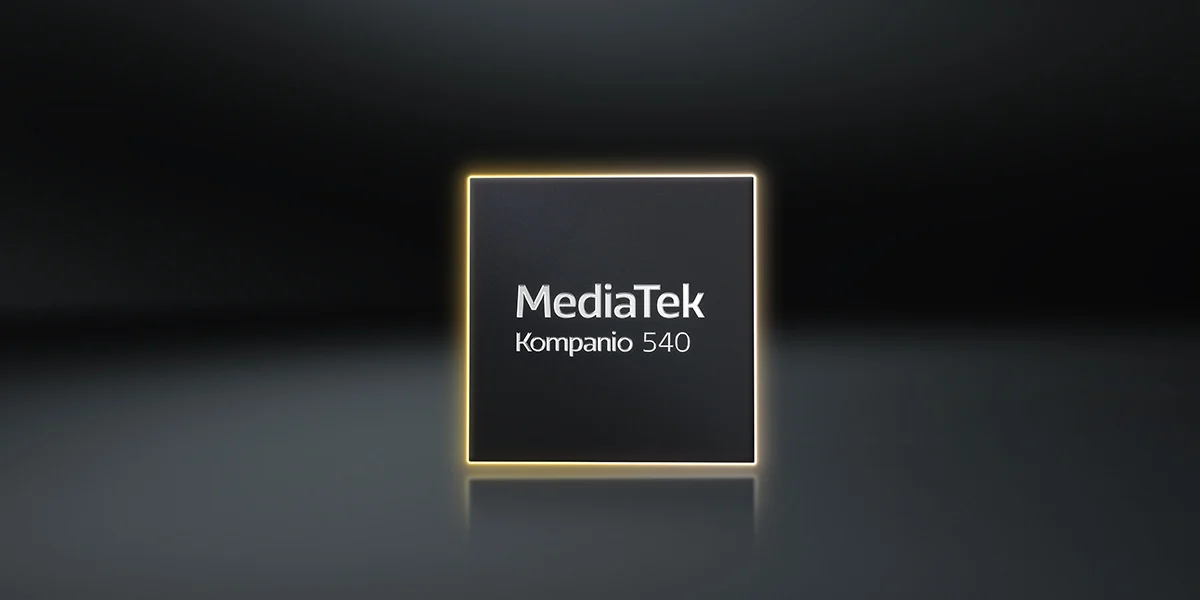
MediaTek has introduced its latest processor designed specifically for Chromebooks, marking a significant advancement in educational computing technology. The MediaTek Kompanio 540 aims to deliver enhanced power efficiency in thin and ultra-portable Chromebook devices, addressing the growing demands of modern digital classrooms.
The semiconductor company positions this launch as part of its broader commitment to enriching everyday life through accessible technology. The new processor targets students and educational institutions seeking reliable computing solutions that can sustain productivity throughout extended school days without frequent charging interruptions.
At the core of the MediaTek Kompanio 540 lies an octa-core processor architecture featuring two Arm Cortex-A78 CPUs paired with a dual-core graphics engine. This configuration supports premium LPDDR5 memory and UFS 3.1 storage standards, enabling smooth performance across multiple applications simultaneously. Students can transition between common tasks such as web browsing, media streaming, and gaming without experiencing performance degradation.
The processor demonstrates particular strength in handling demanding educational applications. STEM-focused programs including Tinkercad and Minecraft Education Edition run smoothly on devices powered by the Kompanio 540, ensuring students can engage with complex learning tools without technical limitations hindering their educational experience.
One notable feature of the new processor is its integrated video decoding engine, which delivers high-resolution streaming capabilities while maintaining power efficiency. This allows students to view content on external displays, including televisions, without significantly impacting battery performance. The technology ensures consistent media playback quality across different display configurations.
Battery performance represents a key differentiator for the Kompanio 540. MediaTek reports that the processor delivers 35 percent longer battery life compared to its previous generation Kompanio 520. Testing conducted using Geekbench version 6.3 on ChromeOS DEV 141 demonstrated these performance gains. Additional battery life comparisons against Intel Processor N150 were conducted using an ASUS CR11 device running ChromeOS 140, with tests based on continuous YouTube video streaming normalized for battery capacity and screen brightness.
The extended battery life directly addresses a common pain point in educational settings where students need devices that can function throughout entire school days without requiring midday charging. This reliability factor becomes particularly important in classrooms with limited power outlet access or during field activities and remote learning scenarios.
The power-efficient architecture of the Kompanio 540 enables fanless operation in Chromebook designs. This passive cooling approach eliminates fan noise that could disrupt classroom environments, creating quieter learning spaces. The fanless design also contributes to lighter device weight and cooler operating temperatures, enhancing the portability factor crucial for students carrying devices between classes and home.
MediaTek designed the Kompanio 540 specifically for the ChromeOS ecosystem, ensuring optimized compatibility with Google’s educational platform. The ChromeOS environment has become increasingly prevalent in educational institutions globally, particularly in primary and secondary school settings where simplicity, security, and cloud integration prove advantageous.
The processor targets a specific market segment focused on affordable yet capable computing devices. By balancing performance capabilities with power efficiency and cost considerations, the Kompanio 540 enables device manufacturers to produce Chromebooks that meet educational budget constraints while maintaining sufficient technical specifications for modern learning requirements.
Chromebooks powered by the MediaTek Kompanio 540 are scheduled to become available starting January 2026.