Amazon Deploys Blue Jay and Project Eluna for Employees
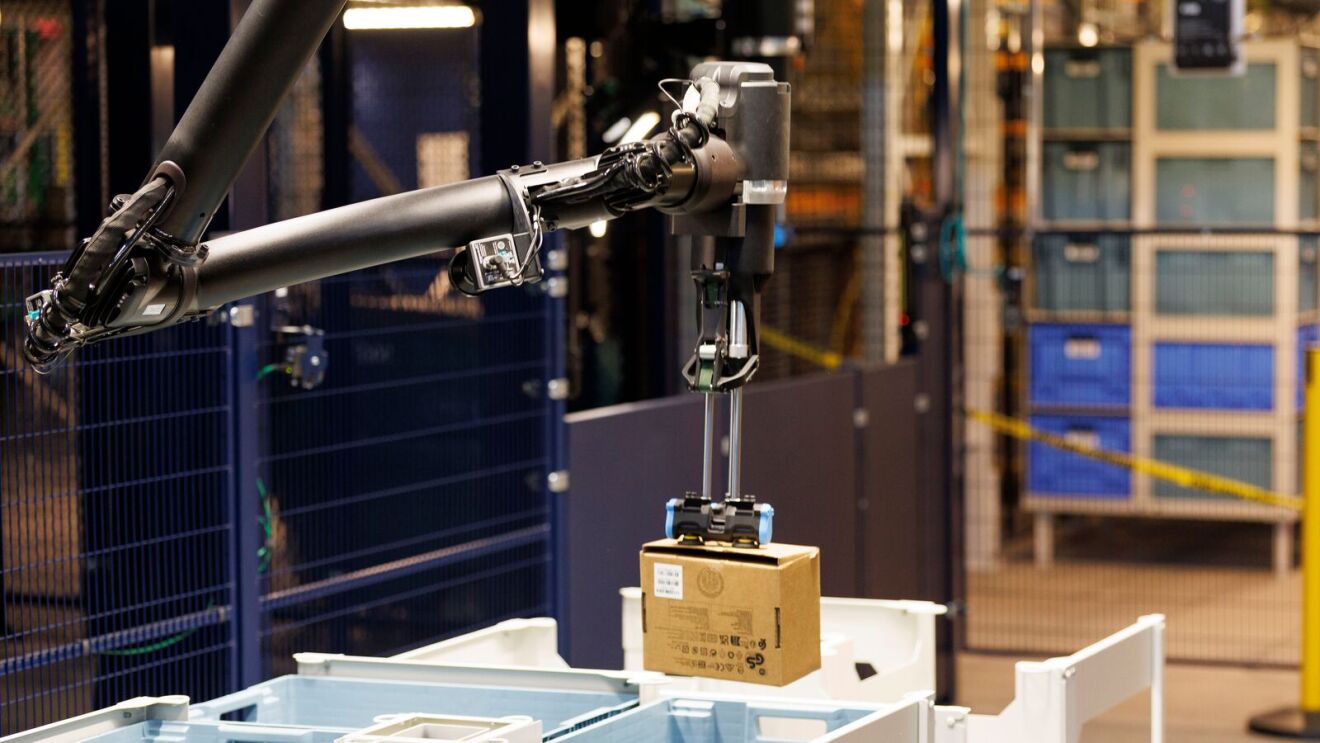
Amazon has introduced two advanced systems combining robotics and artificial intelligence to enhance workplace conditions ahead of the 2025 holiday shopping season. Blue Jay and Project Eluna represent the company’s latest effort to reduce physical strain on workers while improving operational efficiency across its fulfillment network.
Blue Jay operates as a next-generation robotic system featuring multiple coordinated arms that consolidate previously separate workstations into a unified workspace. The system handles picking, stowing, and consolidation tasks simultaneously, reducing the need for repetitive reaching and lifting motions. Currently deployed at a facility in South Carolina, Blue Jay can process approximately 75% of item types stored at Amazon sites. The technology keeps workers operating within ergonomic zones, minimizing physical stress during package handling operations.
Development of Blue Jay progressed from initial concept to production deployment in just over one year, significantly faster than earlier robotic systems like Robin, Cardinal, and Sparrow, which required three or more years. This acceleration stems from advanced simulation technology using digital twins, which allowed engineers to test numerous prototype iterations virtually before physical production. The system incorporates learned experiences from Amazon’s existing robot fleet to refine performance capabilities.
Amazon plans to integrate Blue Jay into Same-Day delivery sites, enabling faster order fulfillment while reducing physical demands on human workers. The system processes thousands of items at high speeds, managing multiple simultaneous operations that previously required separate machinery and more physical space.
Project Eluna functions as an autonomous AI assistant designed to support operations managers who traditionally monitor dozens of data dashboards while responding to equipment failures and resource allocation needs. The system analyzes historical and real-time operational data to identify potential bottlenecks before they disrupt workflow. Operations managers can query the system with specific questions about resource deployment and receive data-driven recommendations for decision-making.
A Tennessee fulfillment center will pilot Project Eluna during the 2025 holiday season, initially focusing on sortation optimization. The technology aims to shift management focus from reactive problem-solving toward proactive planning and team development. By consolidating information from multiple data sources, Project Eluna reduces cognitive load on human operators while maintaining operational visibility.
These systems build upon recent Amazon innovations including Vulcan, the company’s first touch-sensitive robot for ergonomically challenging tasks, and DeepFleet, an AI model coordinating large mobile robot fleets across facilities. The technologies represent what Amazon terms physical AI, combining machine learning with real-world contact and coordination capabilities.
Amazon emphasizes workforce development alongside technology deployment. The company offers training programs through Career Choice, providing free education opportunities, and apprenticeships in mechatronics and robotics. Additional AI education initiatives help employees understand how automated systems integrate into daily operations and career progression paths.
The retail giant has created more U.S. jobs than any other company over the past decade according to its own data. Amazon recently announced plans to fill 250,000 positions for the 2025 holiday season, with active recruitment ongoing at operations facilities nationwide.
Tye Brady, chief technologist for Amazon Robotics, emphasized that technological advancement serves employee welfare and customer experience simultaneously. The development strategy prioritizes practical applications that reduce repetitive physical tasks, enhance workplace safety, and expand career opportunities for warehouse personnel.
Blue Jay and Project Eluna deployment occurs as e-commerce operations face increasing volume demands during peak shopping periods. The systems demonstrate how automation technology can complement human workers rather than replace them, focusing on tasks involving heavy lifting, repetitive motion, and complex data analysis while leaving judgment-dependent decisions to experienced personnel.