Baidu Files for Kunlunxin AI Chip Unit Hong Kong IPO
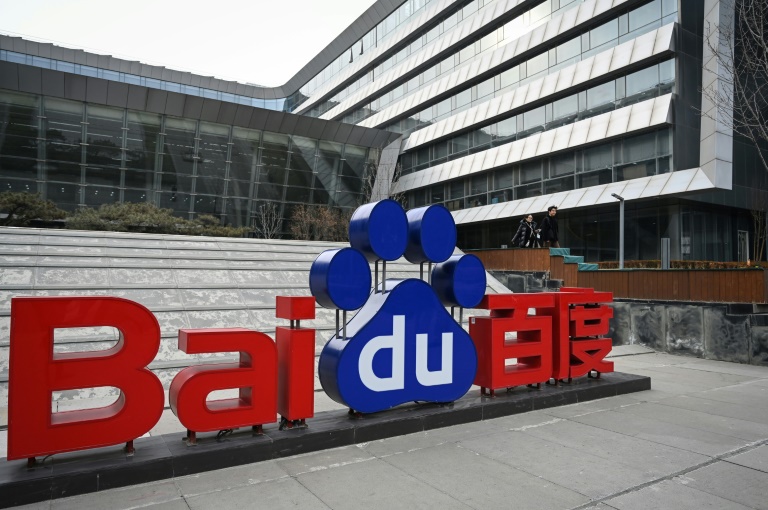
Baidu Inc has confidentially filed for an initial public offering of its artificial intelligence chip subsidiary Kunlunxin on the Hong Kong Stock Exchange, marking another significant move in China’s semiconductor self-sufficiency push. The Beijing-based technology giant announced the filing on Friday, though the company emphasized that details including size and structure remain undecided and regulatory approvals are still required.
The proposed spinoff aims to independently showcase Kunlunxin’s value as a standalone entity while attracting investors specifically focused on the AI chip sector. Baidu currently owns approximately 59 percent of Kunlunxin and expects to maintain majority control following the listing. The carve-out structure would allow the chip unit to enhance its market profile, broaden financing channels through equity and debt capital markets, and better align management incentives with performance.
Kunlunxin has achieved significant financial momentum, with revenue exceeding 3.5 billion yuan in 2024 while reaching break-even status. External sales to third-party customers are expected to account for more than half of the unit’s revenue in 2025, demonstrating its evolution from an internal supplier to a competitive market player. The company secured orders worth over 1 billion yuan from suppliers to China Mobile, one of the country’s largest telecommunications carriers.
The chip unit’s latest funding round raised over 2 billion yuan and valued Kunlunxin at approximately 21 billion yuan, or roughly 3 billion US dollars. Investment bank analysts project that chip sales could increase sixfold to reach 8 billion yuan in 2026, reflecting strong growth expectations for the domestic AI computing sector.
Market reaction to the spinoff announcement proved overwhelmingly positive, with Baidu’s Hong Kong-listed shares surging 9 percent on Friday to reach their highest price since September 2023. The stock had already climbed 59 percent throughout 2024, indicating investor confidence in the company’s AI strategy.
Kunlunxin’s listing comes amid intensifying competition between the United States and China in artificial intelligence and semiconductor technologies. Washington has imposed various restrictions limiting Chinese AI companies’ access to advanced chips from Nvidia, while Beijing has mobilized billions in public funds toward developing domestic alternatives and encouraging state-backed enterprises to purchase locally-made semiconductors.
The Hong Kong market has seen multiple Chinese chipmakers announce listing plans in recent months. Shanghai Iluvatar CoreX Semiconductor began taking investor orders for a 3.7 billion Hong Kong dollar offering, while shares of Shanghai Biren Technology jumped 82 percent in their trading debut on Friday.
Founded in 2012, Kunlunxin represents a critical component of Baidu’s ambition to become a full-stack AI company spanning hardware, servers, data centers, AI models and applications. While Baidu continues to rely on Nvidia chips for significant AI computing power, Kunlunxin has enabled the company to increasingly deploy a mix of self-developed chips in data centers running its Ernie AI models.
Industry analysts identify Kunlunxin as one of the most practical and widely-used AI chips in China, with particular strength in software compatibility. Unlike closed systems, Kunlunxin works well with common AI frameworks, making it easier for users to migrate workloads from Nvidia platforms. This interoperability has proven especially valuable for government agencies, telecommunications providers, and state-owned cloud operators where stable supply and lower costs take priority over absolute peak performance.
However, analysts caution that Kunlunxin cannot fully replace advanced Nvidia chips due to China’s ongoing constraints in cutting-edge semiconductor manufacturing. The chips perform best for inference and other workloads that are easier to migrate rather than the most demanding AI training tasks. Beijing’s strategy involves building a collaborative domestic AI computing ecosystem with Kunlunxin working alongside Huawei Ascend, Cambricon Technologies, Alibaba and other domestic players rather than relying on any single company.
The separate listing would raise Kunlunxin’s profile among potential customers, suppliers and strategic partners, allowing the unit to solicit additional business opportunities while accessing capital markets independently. Baidu stated that the spinoff supports broader efforts to unlock value across its AI-powered business portfolio. The company filed its listing application with the Hong Kong Stock Exchange on a confidential basis and must still obtain exchange approval and complete filing with the China Securities Regulatory Commission before proceeding.