Sodium Ion Battery Industry Enters Key Growth Phase
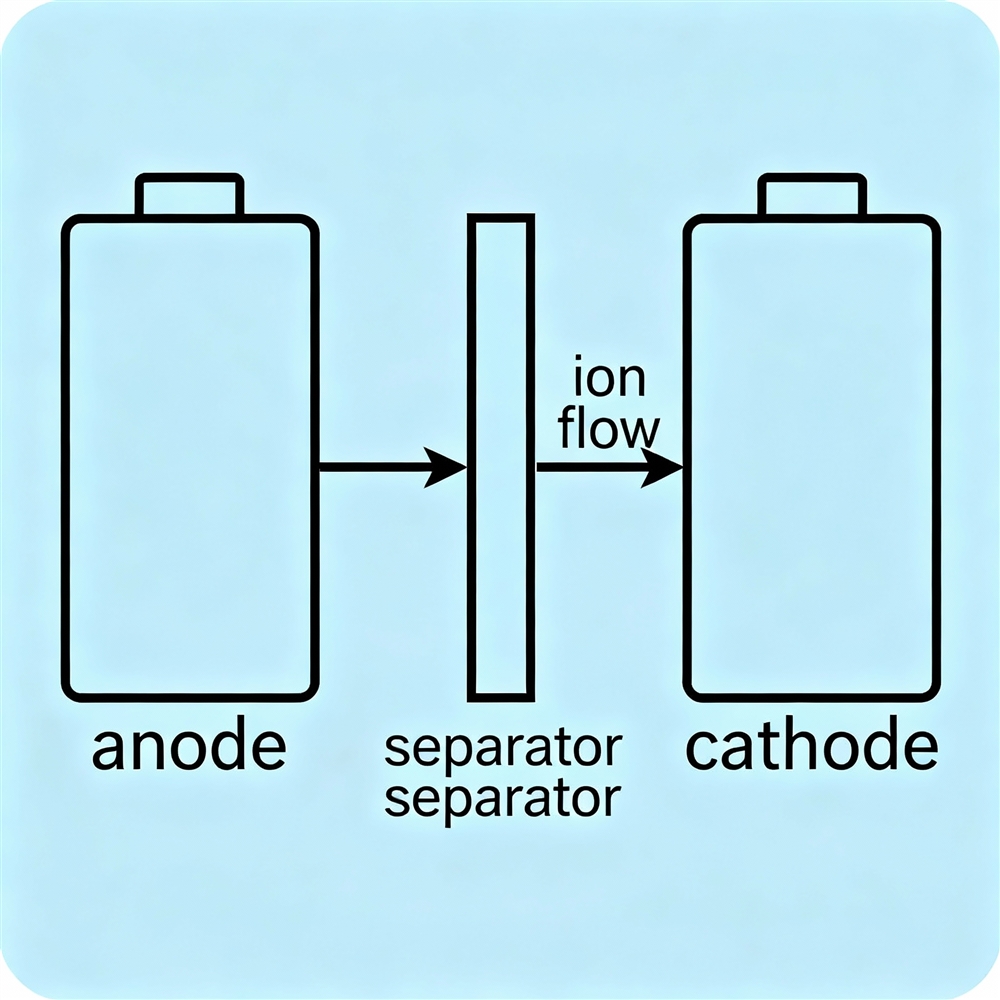
The sodium ion battery industry in China is moving into a critical stage as experts highlight its technical strengths, industrial progress, and growing commercial potential. At the 2025 Sodium Ion Battery Industry Chain and Standards Development Forum, specialists emphasized that sodium batteries provide strong performance advantages such as high power output, good low-temperature operation, high safety levels, and lower costs compared with existing technologies. These features make sodium batteries suitable for hybrid vehicles, backup power systems, frequency regulation storage, and as a replacement for lead-acid batteries.
Industry representatives noted that sodium batteries are entering the vital phase of transition from laboratory validation to real-world commercialization. The market focus is shifting away from low-cost disruption toward long-term value creation. With fast charging capabilities, durability, and reliability in cold conditions, sodium batteries are expected to break into specific performance-driven market segments. Projections suggest that by 2026, large-scale applications will be in place, with the overall cost of sodium batteries likely to fall by half within the next two to three years, boosting adoption across different industries.
Alongside technological and commercial advances, China has accelerated progress in setting standards for sodium ion batteries. To date, two national standards have been published, while 11 more are under development. Furthermore, China is leading the drafting of four international standards. Validation efforts across 44 manufacturers show that sodium batteries generally outperform lithium batteries in safety and low-temperature resilience, while offering an effective alternative to lead-acid batteries in specific applications.
Government support is also playing a decisive role in shaping the industry. Multiple ministries, including the Ministry of Industry and Information Technology and the National Energy Administration, have identified sodium ion batteries as a strategic area for new energy storage development. Policy measures are directing resources and attention toward innovation, safety verification, and integration into the national energy system.
The forum also announced results from new evaluation programs, including the latest batch of certified sodium ion battery units, assessments of low-temperature performance, and verification of 1,000-cycle lifespan capability. These results confirm steady improvements in product reliability and competitiveness.
With technical clarity, targeted applications, standardization progress, and supportive policies, the sodium ion battery industry is approaching a commercial breakthrough. The coming two to three years are expected to determine whether sodium batteries secure a lasting role in the renewable energy ecosystem and expand into large-scale industrial use.